
Chinese Tea: Why Does It Deserve to Be Recognized as a World Intangible Cultural Heritage
.png)
“Traditional Chinese Tea Processing Techniques and Associated Social Practices” have been successfully inscribed on the UNESCO Intangible Cultural Heritage List, becoming China’s 43rd World Intangible Cultural Heritage item.
This heritage encompasses the entire process of tea culture, including tea garden management, leaf picking, traditional handcrafting, and the sharing and consumption of tea. It is widely practiced across four major tea-producing regions: Jiangnan, Jiangbei, Southwest China, and South China.
Guided by local terroir, different regions have developed the six major tea categories—such as green tea and black tea—as well as scented teas, along with distinctive tea customs including Chaozhou Gongfu Tea and the Bai ethnic group’s Three-Course Tea.
Tea not only nurtures the spiritual life and social rituals of the Chinese people, but also contributes to rural revitalization through the integration of tea culture and tourism. This intangible cultural heritage embodies the profound depth of Chinese culture and continues to thrive through ongoing transmission and education.
Video Link: https://www.youtube.com/watch?v=MeWQ-UiQ6Ig&t=34s
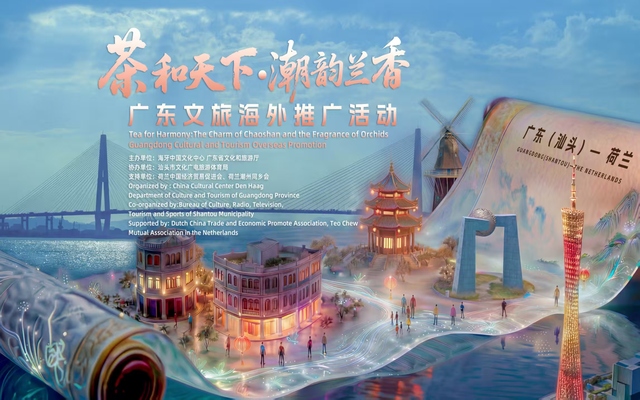
The Charm of Chaoshan, The Beauty of Guangdong
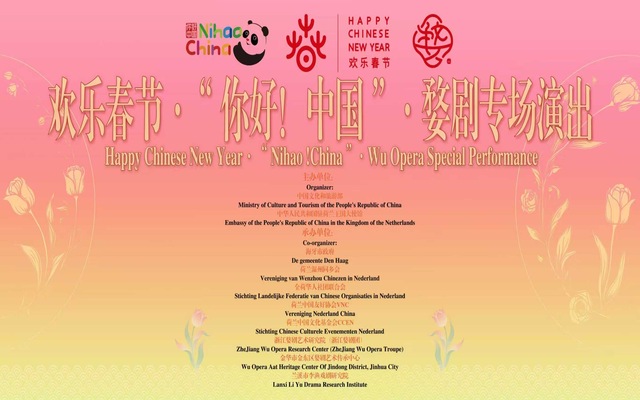
14 February 2026,the Happy Chinese New Year — Wu Opera Special Performance will be staged at The Hague City Hall
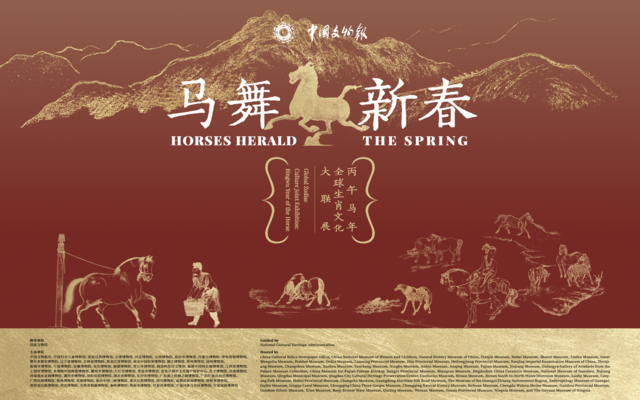
The "Chinese Zodiac" is a unique way for the Chinese nation to mark the year of one's birth

China Cultural Center Den Haag is a non-profit cultural institution set up by the Ministry of Culture and Tourism of People's Republic of China. It is dedicated to fostering the exchange and cooperation between China and the Netherlands in the field of culture and tourism.
© 2023 China Cultural Center in Den Haag | Privacy policy